
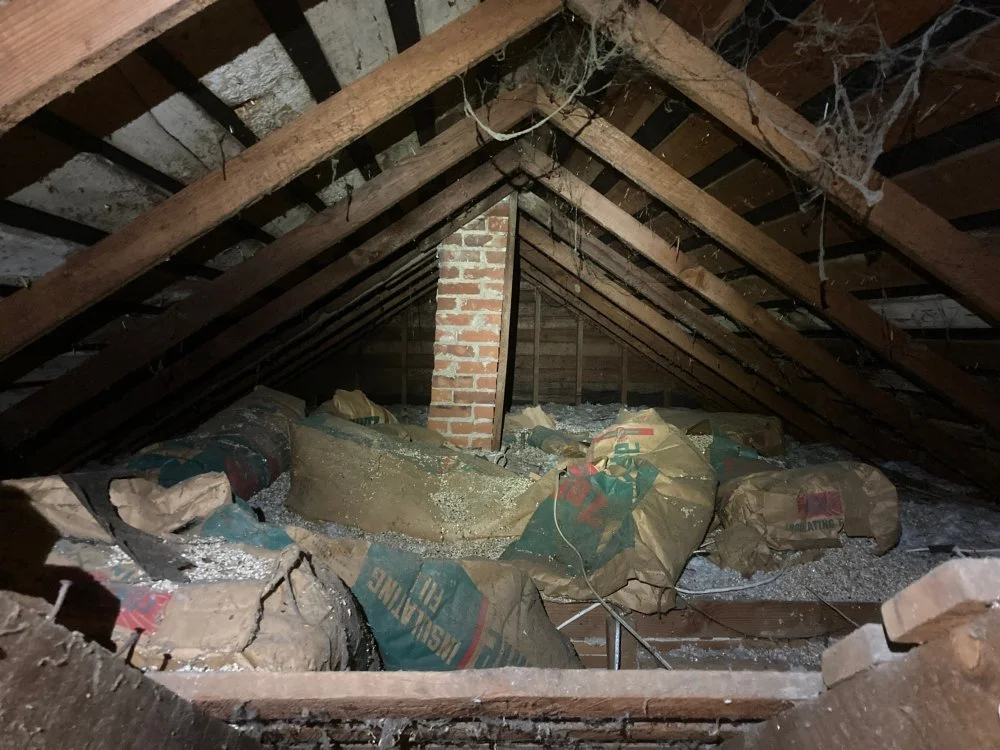
Attic Vermiculite
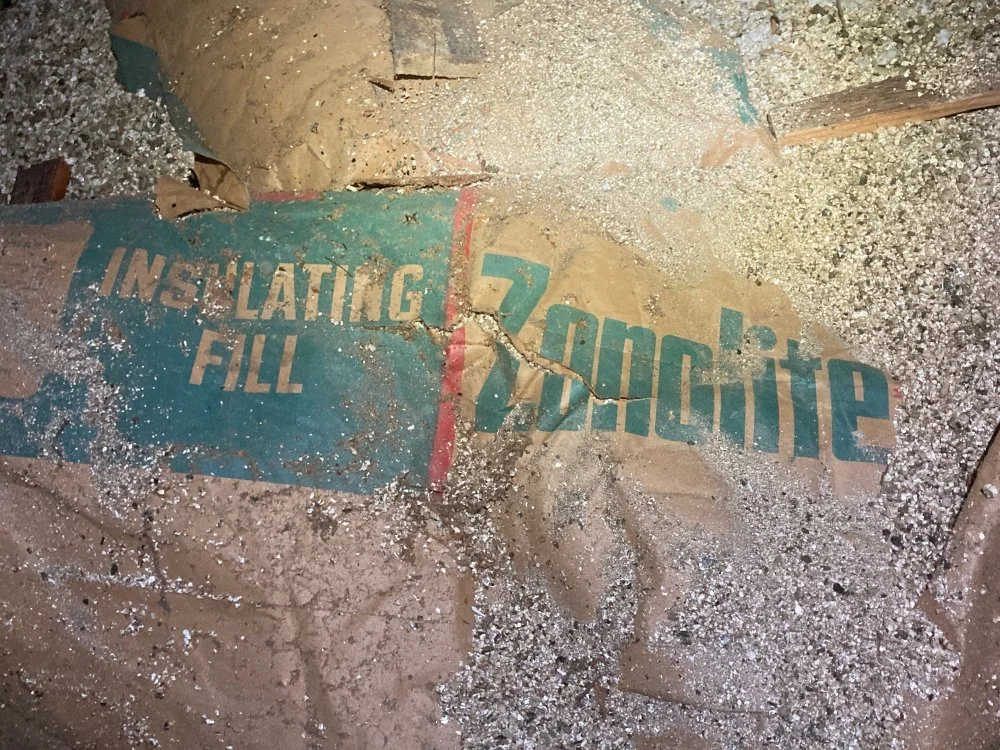
If your attic contains vermiculite insulation, it's important to handle it with care.
Vermiculite was commonly used in homes built before the 1990s, and some types may contain asbestos. Because of this potential risk, disturbing the material without proper precautions is not recommended.


What Is Vermiculite Insulation?
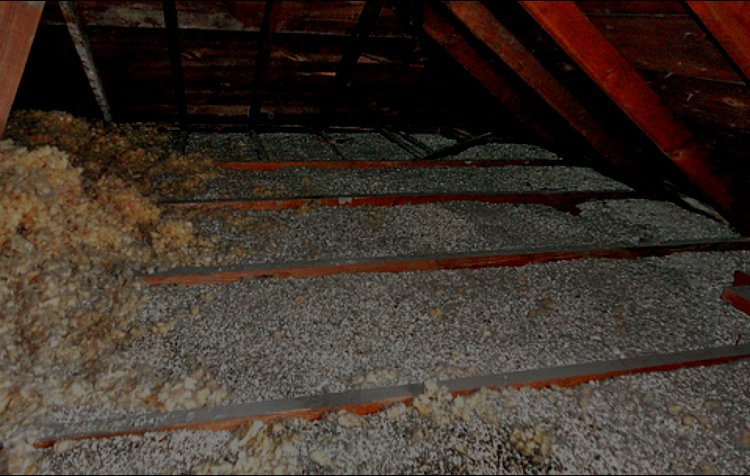
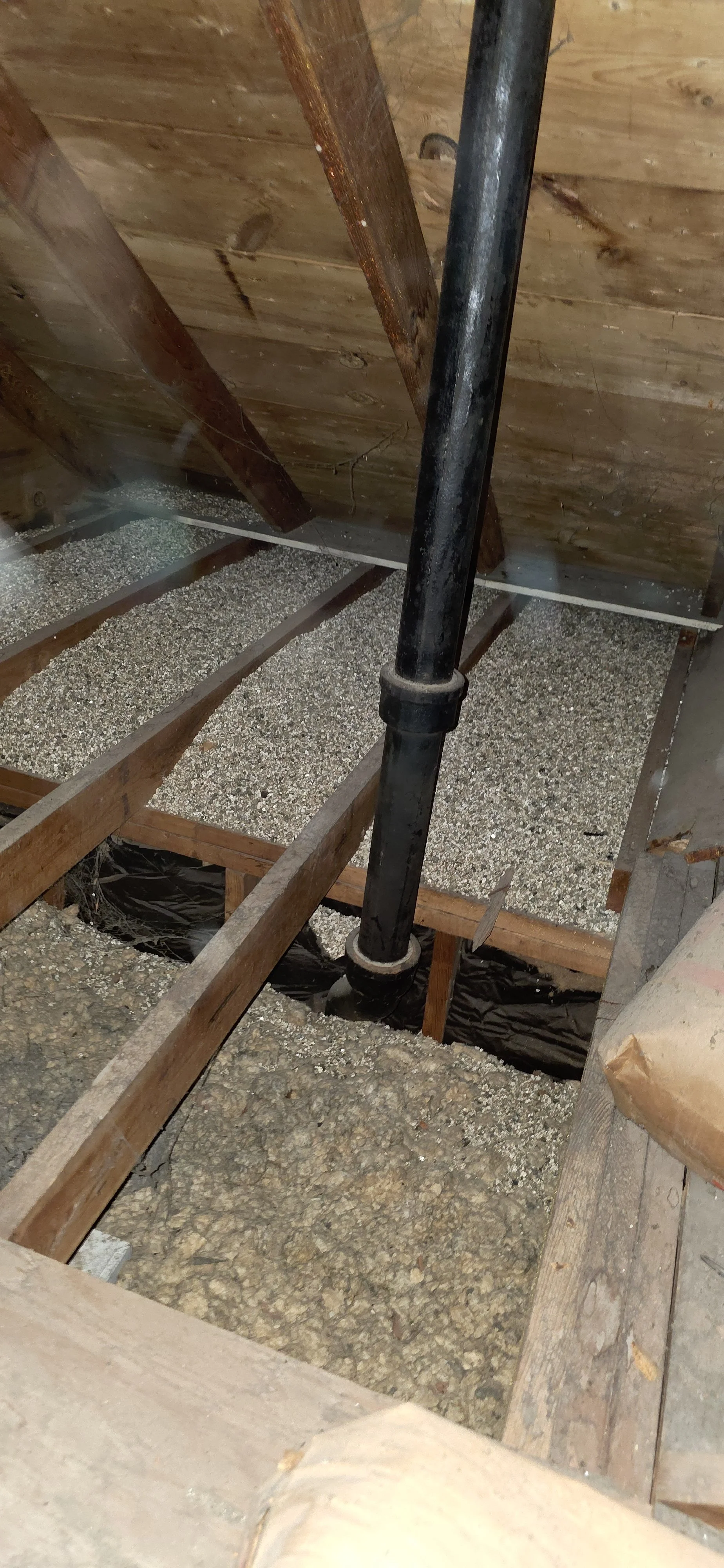
Vermiculite is a lightweight, pebble-like insulation material often found in attics and wall cavities of older homes.
It is typically gray, silver, or brown in appearance and was widely installed for insulation and fire resistance. While not all vermiculite contains asbestos, some products—particularly certain Zonolite attic insulation—may contain asbestos fibers.
Why Is Vermiculite a Concern?
The primary concern with vermiculite insulation is the potential presence of asbestos.
Disturbing insulation during renovations, maintenance, or attic access may increase the likelihood of airborne fibers if contamination is present. Professional evaluation can help determine appropriate next steps and reduce unnecessary disturbance.
Signs You May Have Vermiculite Insulation
You may have vermiculite insulation if:
Your home or building was constructed or insulated decades ago
Insulation appears loose and pebble-like
Material is commonly found in attic spaces
Insulation is gray, silver, or light brown in color
If you suspect vermiculite insulation, avoid disturbing the material until it can be properly evaluated.
How We Can Help
Evaluating suspected vermiculite insulation and environmental concerns within your property.
Inspection & Assessment
Helping property owners navigate environmental concerns with safety and regulatory considerations in mind.
Safety & Compliance Guidance
Assessing insulation conditions and identifying concerns before renovation or disturbance.
Attic & Insulation Evaluation
Providing environmental guidance before remodeling, demolition, or attic work begins.
Renovation Planning Support
HOUSE BUILT BEFORE 1990?
Vermiculite Insulation Containing Asbestos in Attics.
Vermiculite insulation, common in homes built before 1990, especially those with attic insulation, often contains dangerous, naturally occurring asbestos fibers, making undisturbed vermiculite a risk if disturbed by renovations or air leaks, requiring professional testing and removal/encapsulation to prevent serious lung diseases.
Click HERE to access the ZAI Trust form to see if you are eligible for partial reimbursement of your asbestos costs. (Yes, even if you’ve already completed removal)!
Frequently Asked Questions
-
Asbestos should never be disturbed without proper evaluation and safety procedures. Professional abatement helps reduce exposure risks, support regulatory compliance, and create safer environments for occupants and workers.
Our team follows established containment and remediation protocols to ensure asbestos concerns are handled carefully and responsibly.
-
We provide asbestos services for:
Residential properties
Commercial buildings
Industrial facilities
Schools and institutions
Renovation and demolition projects
-
Proper asbestos abatement involves more than removal alone. The process focuses on identifying affected materials, establishing containment, and following strict safety procedures to minimize disturbance and exposure.
1. Inspection & Assessment
Suspected materials are identified and evaluated.2. Containment Setup
Controlled work areas and protective measures are established.3. Removal & Abatement
Asbestos-containing materials are professionally removed or treated.4. Safe Disposal
Materials are transported and disposed of according to regulations.5. Final Clearance & Next Steps
Affected areas are reviewed and guidance is provided moving forward. -
Asbestos is commonly found in older building materials and cannot always be identified by appearance alone. Professional inspection and testing are the most reliable ways to confirm whether asbestos is present.
Service Areas
Location
2725 Madison Ave, Granite City, Illinois 62040, United States
Phone
217-710-5186
Proudly serving homeowners and businesses throughout the Metro East and Greater St. Louis region, including Madison, St. Clair, Monroe, Clinton, Bond, Washington, and surrounding counties in Illinois, as well as St. Louis County, St. Charles County, and nearby Missouri communities.
Illinois Service Areas
Granite City (62040), Edwardsville (62025), Glen Carbon (62034), Troy (62294), Maryville (62062), Collinsville (62234), O'Fallon (62269), Fairview Heights (62208), Belleville (62220, 62221, 62223, 62226), Swansea (62226), Shiloh (62221), Caseyville (62232), Highland (62249), Alton (62002), Bethalto (62010), Wood River (62095), East Alton (62024), Jerseyville (62052), Waterloo (62298), Columbia (62236), Red Bud (62278), Mascoutah (62258), Lebanon (62254), Freeburg (62243), Breese (62230), Germantown (62245), Trenton (62293), Carlyle (62231), Centralia (62801), Nashville (62263), Greenville (62246), Staunton (62088), and Hamel (62046)
Missouri Service Areas
St. Louis (63101, 63103, 63108, 63110, 63116, 63119, 63122, 63123, 63129), Clayton (63105), Richmond Heights (63117), Maplewood (63143), Kirkwood (63122), Webster Groves (63119), Crestwood (63126), Sunset Hills (63127), Affton (63123), Mehlville (63125, 63129), Oakville (63129), Chesterfield (63005, 63017), Ballwin (63011, 63021), Wildwood (63005, 63011, 63038, 63040), Eureka (63025), Fenton (63026), Arnold (63010), Imperial (63052), St. Charles (63301, 63303, 63304), St. Peters (63376), O'Fallon (63366, 63368), and Wentzville (63385).